 Rutger Bergman has just delivered this year’s BBC series of Reith Lectures. His contention is that we are entering a new ‘age of immorality’ in which our elites are no longer seriously looking to improve the lot of mankind as a whole. Instead, they are promoting tribal division for their own benefit.
Bergman is right; the Western moral consensus based on liberal humanist attitudes is breaking down. Too many leaders have lost their moral compass. The whole construct that preserved peace and progress since the second world war is creaking. The UN is losing support and credibility. Actions to avert climate change have stalled. More people are being displaced by floods, fires and droughts. Nations are rearming again in anticipation of conflict. With less money to help the disadvantaged, growth in life expectancy in the West has stalled. Aid to Africa has been cut off, further exacerbating distress and conflict. Democracies are losing out to Autocracies.
We seem to be entering a different era in international relations similar to that, that existed before the First World War. Then, there was no concept of international law, conflict between states was a routine occurrence; the powerful strove to conquer others and create empires; and in most countries autocrats ruled and individual liberties were heavily constrained.
To illustrate this unwelcome change in direction, today’s Observer quoted Yeats’ poem. ‘The Second Coming’
Turning and turning in the widening gyre
The falcon cannot hear the falconer;
Things fall apart; the centre cannot hold;
Mere anarchy is loosed upon the world,
The blood-dimmed tide is loosed, and everywhere
The ceremony of innocence is drowned;
The best lack all conviction, while the worst
Are full of passionate intensity.
It is more than time for the best to stand up and be counted.
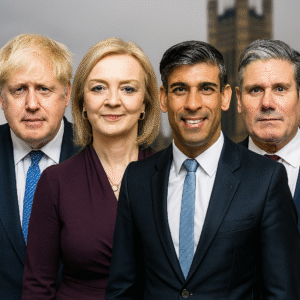 What’s wrong with our democracy? It seems the new Labour government is starting to experience the same psycho -dramas as the last Tory administration. Unable to make a substantial difference to people’s lives in the first period of government, they are becoming increasingly riven with internal divisions and leadership crises.
 Trump won and international co-operation lost. We are into a new dark age. US democracy has been in trouble for decades and has finally reached its nadir. Big money has won through. We are reverting to an age of authoritarianism, jingoism and inequality. The lessons of the Second World War seem to have been forgotten.
 I have been reading ‘How Westminster Works … and why it doesn’t ‘by Ian Dunt and ‘Failed State’ by Sam Freeman. They make a clear case that the democratic process in Britain is failing to deliver the standard of governance we need. There are two major problems. Firstly, the systems of Government are characterised by short-term thinking, lack of expertise and a failure to delegate. Secondly, the excessively tribal nature of political parties means that there is little scrutiny and control of Government by Parliament.
 George Monbiot , writing in the Guardian thinks he has part of the answer
  The depressing news from Israel and Gaza is a reminder to us all of the destructive force of antagonistic tribes. As Dostoevsky said: ‘“People speak sometimes about the “bestial” cruelty of man, but that is terribly unjust and offensive to beasts, no animal could ever be so cruel as a man, so artfully, so artistically cruel.”
 The most important bi-product of the study of economics has been the creation and collection of measures of commercial and financial activity. We now know to a reasonable degree of accuracy a country’s total sales, investment, income, exports and imports. We know how this income is distributed – what share goes to company bosses and what is the average income of the poor. We have (less reliable) estimates of total monetary wealth and what proportion is owned by the top 10%. We know how many people are unemployed and of those how many are simply unable to work.
 Want to know what sort of chaotic government we have? The career of Grant Shapps gives you a guide. Shapps was appointed Transport Secretary on July 24, 2019, as Boris Johnson formed his first cabinet after replacing Theresa May as prime minister. Compared with what was to follow, his time in the role was relatively long-lasting, taking him all the way to Johnson’s resignation on September 6, 2022.
 Ever feel that, although you have a vote, nothing you want to happen ever gets done? Elective democracies give most of us a tiny bit of power but absolutely no influence. But what if you were rich? All you would have to do is to offer to make a significant party donation and you would immediately have the ear of those in government.